Commercial logistics and site operations across Dubai demand versatile, robust vehicles capable of transporting technical work crews and heavy industrial equipment simultaneously. A double cabin pickup for rent in Dubai offers the ideal bridge between a multi-passenger crew vehicle and an industrial cargo hauler. Featuring comfortable seating for up to six crew members alongside an open rear cargo bed rated for one metric ton of payload, double cabin pickup trucks serve as the operational backbone for construction contractors, facility management teams, event staging crews, and electromechanical maintenance technicians across the United Arab Emirates.
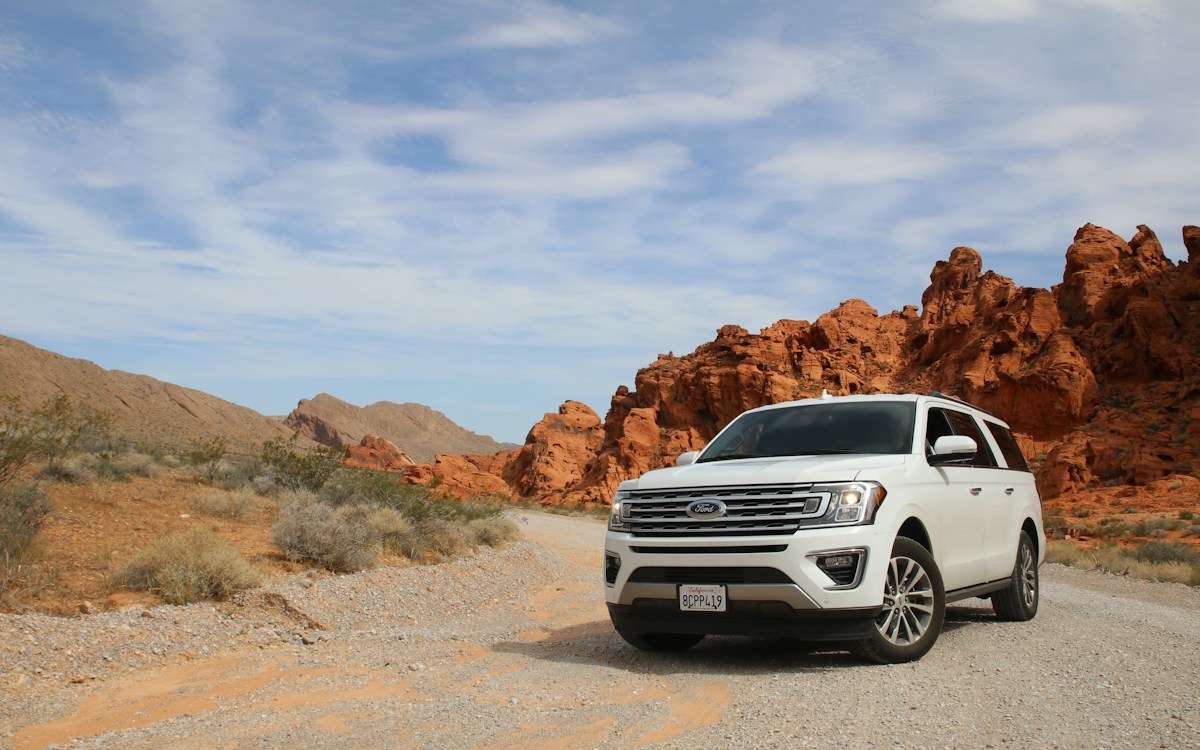
Figure 1: Versatile double cabin pickup rentals combining crew transport with spacious cargo capacity.
What Is a Double Cabin Pickup Truck? Structural Anatomy and Dual Utility
In commercial fleet terminology, a double cabin pickup, commonly referred to as a crew cab or dual cab, is engineered with a full-sized four-door passenger compartment featuring two rows of forward-facing seating, integrated directly ahead of an open utility cargo box. This configuration distinguishes it sharply from traditional single cabin pickups that prioritize bed length at the expense of passenger seating.
The Dual-Utility Operational Advantage
In standard commercial transport scenarios, contracting companies previously faced an inefficient trade-off: deploy an SUV or passenger minivan to ferry engineers and technicians to a job site, followed by a separate cargo box truck to haul tools, materials, and machinery. This dual-vehicle requirement doubled fuel expenses, Salik toll charges, parking permits, and driver labor costs.
A double cabin pickup resolves this inefficiency by combining both functions into a single versatile platform:
- Crew Mobility: Comfortably seats five to six adults, allowing project managers, surveying engineers, and skilled technicians to travel together in climate-controlled comfort.
- One-Ton Payload Bed: Accommodates heavy generators, welding machinery, electrical conduits, scaffolding accessories, and tool chests without intruding into passenger cabin space.
- All-Terrain Mobility: High ground clearance, heavy-duty ladder-frame chassis, and available four-wheel-drive (4WD) transfer cases enable these trucks to navigate rough desert construction terrain, uneven gravel access roads, and steep subterranean parking ramps with complete stability.
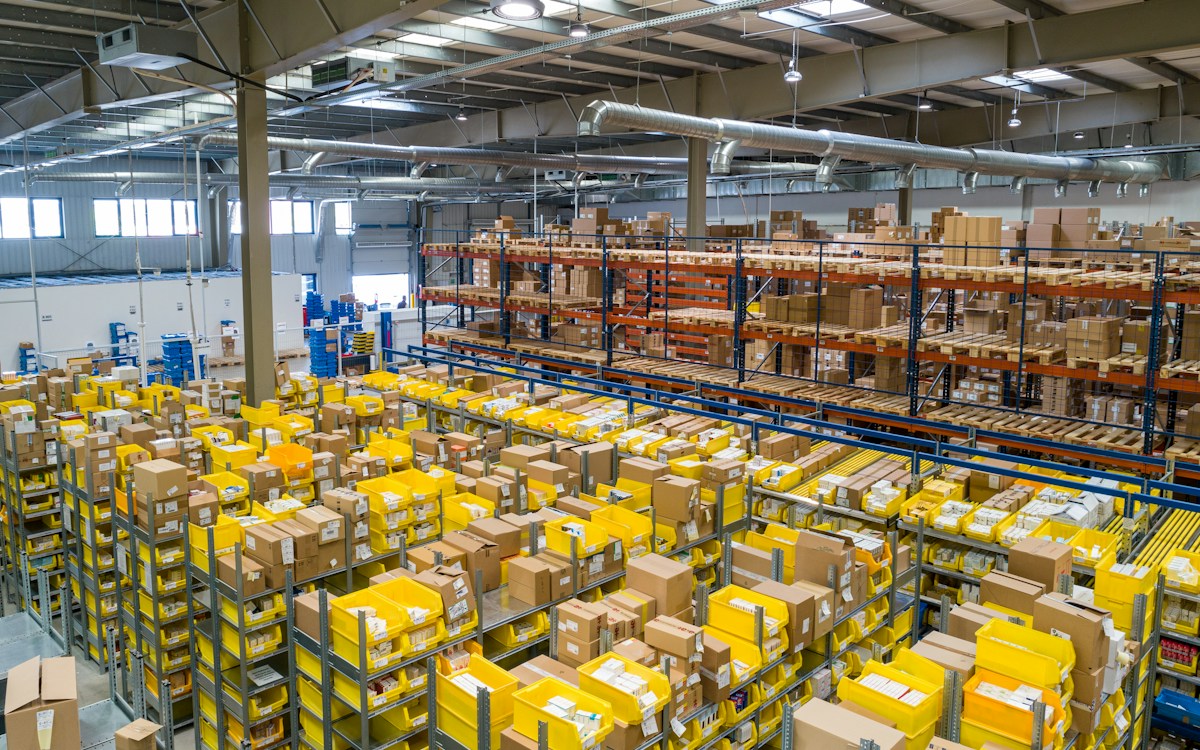
Figure 2: High payload capacity ideal for construction site equipment, event gear, and warehouse cargo.
Fleet Lineup: Vehicle Models and Technical Engineering Specifications
Commercial rental fleets in Dubai utilize globally proven pickup models engineered to withstand extreme ambient desert heat, heavy continuous loads, and demanding driving cycles. Understanding the technical specifications of each model ensures you select the optimal vehicle for your specific cargo volume and terrain requirements.
1. Toyota Hilux Double Cab
The Toyota Hilux stands as the undisputed benchmark of commercial reliability across the Middle East. Renowned for its virtually indestructible chassis and bulletproof mechanical reliability, the Hilux Double Cab is available in both 2.4-liter turbo diesel (2GD-FTV) and 2.7-liter petrol configurations:
- Engine Output: 2.4L Diesel produces 148 horsepower and 400 Nm of torque at 1,600 to 2,000 RPM, providing immense low-end pulling power for heavy site cargo.
- Cargo Bed Dimensions: Length 1,525 mm, width 1,540 mm, depth 480 mm.
- Payload Capacity: Rated for 1,000 kg payload with a gross vehicle weight (GVW) of 2,910 kg.
- Suspension Architecture: Independent double-wishbone coil springs in front with heavy-duty multi-leaf rear springs designed to maintain ground clearance even under full load.
- Ground Clearance: 286 mm, easily traversing unpaved access roads in Dubai South and Al Warsan.
2. Isuzu D-Max Double Cabin
The Isuzu D-Max is engineered from commercial truck DNA, drawing upon Isuzu extensive heritage in heavy industrial transport. Powered by the legendary 3.0-liter 4JJ3-TCX turbo diesel engine, the D-Max delivers outstanding fuel economy and durability:
- Engine Output: 190 horsepower and 450 Nm of torque, pairing effortlessly with a 6-speed automatic transmission.
- Cargo Bed Dimensions: Length 1,495 mm, width 1,530 mm, depth 490 mm.
- Cargo Utility: Fitted with six heavy-duty inner cargo tie-down hooks and a double-walled steel tailgate capable of supporting up to 250 kg during loading operations.
- Cooling Performance: High-capacity tropical radiator and heavy-duty transmission fluid cooler engineered specifically for Gulf climate extremes exceeding 50 degrees Celsius.
3. Mitsubishi L200 (Triton)
The Mitsubishi L200 is celebrated for its agile turning radius and car-like maneuverability in dense urban environments. Utilizing Mitsubishi advanced 2.4-liter MIVEC clean diesel engine, the L200 excels in mixed city and industrial deliveries:
- Class-Leading Turning Radius: 5.9 meters, enabling sharp U-turns in congested logistics corridors such as Ras Al Khor and Deira wholesale markets.
- Super Select 4WD System: Allows drivers to switch between two-wheel drive (2H) for highway fuel efficiency and full-time four-wheel drive (4H) on sandy construction tracks at speeds up to 100 km/h.
- Payload Rating: 1,080 kg, with reinforced rear tailgate latches and integrated rear bumper step for effortless cargo bed access.
4. Ford Ranger Double Cab
For corporate clients seeking executive interior refinement alongside industrial capability, the Ford Ranger Double Cab offers 2.0-liter EcoBlue bi-turbo diesel power paired with a 10-speed automatic transmission. Delivering 210 horsepower and 500 Nm of torque, the Ranger provides advanced driver assistance systems, active lane keeping, and high-tensile steel bed construction suitable for VIP site supervision and high-profile engineering projects.
Fleet Specifications Matrix: Comparative Analysis
| Vehicle Model | Engine Options | Horsepower & Torque | Payload Rating | Bed Dimensions (L x W) | Passenger Capacity |
|---|---|---|---|---|---|
| Toyota Hilux Double Cab | 2.4L Diesel / 2.7L Petrol | 148 HP / 400 Nm | 1,000 kg | 1,525 mm x 1,540 mm | 5 to 6 Passengers |
| Isuzu D-Max Crew Cab | 3.0L Turbo Diesel | 190 HP / 450 Nm | 1,050 kg | 1,495 mm x 1,530 mm | 5 Passengers |
| Mitsubishi L200 Triton | 2.4L Clean Diesel | 136 HP / 324 Nm | 1,080 kg | 1,520 mm x 1,470 mm | 5 Passengers |
| Ford Ranger Double Cab | 2.0L Bi-Turbo Diesel | 210 HP / 500 Nm | 1,150 kg | 1,564 mm x 1,584 mm | 5 Passengers |
Figure 3: Rigorous vehicle maintenance and RTA commercial permit compliance across our rental fleet.
Primary Commercial Industry Applications Across Dubai
The versatility of double cabin pickups makes them indispensable across multiple commercial sectors operating throughout Dubai, Sharjah, and Abu Dhabi.
1. Civil Construction and MEP Contractors
Construction projects in areas such as Dubai South, Palm Jebel Ali, Business Bay, and Dubai Creek Harbour require constant movement of technical personnel and specialized materials. Mechanical, Electrical, and Plumbing (MEP) contractors utilize double cabin pickups to transport certified electricians and pipefitters alongside copper spools, PVC conduit bundles, electrical panels, and heavy power tools. Having the crew and tools in one vehicle ensures immediate work commencement upon arrival at the site gate.
2. Event Staging, Audio-Visual, and Exhibition Logistics
Dubai is a global epicenter for international exhibitions, trade summits, and entertainment festivals held at Dubai World Trade Centre (DWTC), Expo City Dubai, and luxury resorts across Palm Jumeirah. Event production companies utilize double cabin pickups to move sound engineers and stage technicians along with lighting trusses, flight cases containing digital audio mixers, LED display tiles, and microphone rigs. The open bed allows quick crane or forklift loading, while the cabin protects delicate electronics and soundboards from heat exposure during transit.
3. Facilities Management and Commercial Maintenance
Facilities management teams handling routine HVAC servicing, water pump maintenance, and plumbing emergencies across residential communities like Jumeirah Village Circle (JVC), Arabian Ranches, and Emirates Living rely on double cabin pickups. The open bed accommodates nitrogen cylinders, refrigerant tanks, vacuum pumps, pressure washers, and replacement compressor motors, while the interior cabin transports the service technician and assistant safely.
4. Infrastructure Engineering and Land Surveying
Civil engineering consultants conducting boundary demarcation, soil testing, and topological surveying across the desert perimeters of the UAE require vehicles with four-wheel-drive capability. Double cabin pickups transport total station theodolites, GPS surveying receivers, tripods, soil augers, and core sampling gear in the rear bed, while survey engineers analyze spatial data on laptop workstations within the air-conditioned cabin.
5. Landscaping, Greenery, and Irrigation Maintenance
Landscaping contractors maintaining parks, golf clubs, and private villa gardens require vehicles that can carry garden maintenance crews alongside soil amendment bags, automated irrigation valves, lawn mowers, weed trimmers, and ornamental saplings. The open bed can be hosed down easily after transporting potting soil and organic fertilizers, maintaining cabin cleanliness.
Advanced Off-Road and Desert Site Engineering
Construction and engineering projects across the UAE frequently extend into unpaved desert terrain, remote pipeline corridors, and undeveloped master-community zones. Operating a loaded pickup truck across soft sand demands technical driving knowledge and mechanical capability.
Tire Deflation Mechanics and Sand Flotation
When driving on paved tarmac highways such as E311 or E611, commercial pickup tires are inflated to standard manufacturer pressures between 32 and 35 PSI to optimize fuel economy and road stability. However, driving a vehicle loaded with cargo onto soft desert sand at full highway pressure will cause the narrow tire tread to dig into the sand, resulting in immediate vehicle immobility. Deflating tire pressure to between 15 and 18 PSI widens and elongates the tire contact patch by over 200 percent. This creates a flotation effect, allowing the tires to roll over sand grains rather than digging down.
Transfer Case Ratios: 4H vs 4L Operation
Four-wheel-drive double cabin pickups feature selectable two-speed transfer cases offering distinct drive modes:
- Four-Wheel Drive High (4H): Engages equal power distribution to front and rear axles at direct 1:1 gear ratio. Ideal for driving on firm gravel trails, packed dirt construction tracks, and wet slippery asphalt at moderate speeds up to 80 km/h.
- Four-Wheel Drive Low (4L): Engages a secondary gear reduction set (typically 2.5:1 or 2.7:1 reduction). This multiplies engine torque dramatically at low wheel speeds, providing enormous climbing torque to crawl through deep sand ruts, steep excavation pits, or muddy irrigation ditches without stalling the engine or burning transmission clutches.
- Electronic Rear Differential Lock: In severe situations where one rear tire loses traction and spins freely in loose sand, engaging the rear differential lock mechanically binds both rear axle shafts together, forcing both wheels to rotate at identical speed and propelling the vehicle forward.
Chassis Protection and Clearance Geometry
Industrial site pickups feature heavy-duty steel bash plates protecting critical underbody hardware, including the engine oil sump, steering rack, and front transfer case. High approach angles (29 degrees on Toyota Hilux) and departure angles (26 degrees) ensure the front bumper and rear hitch clear steep ramps and drainage culverts without costly frame impact.
Rental Options: Self-Drive vs Pickup Rental With Driver
Choosing between renting a self-drive double cabin pickup or engaging a pickup rental service complete with an experienced driver depends on your company operational capacity, driver licensing, and logistical needs.
Option 1: Self-Drive Commercial Rental
Self-drive rentals offer complete operational freedom for corporate entities with existing in-house driver staff:
- Maximum Schedule Flexibility: Your team operates the vehicle on your schedule 24 hours a day, executing unplanned deliveries, late-night site transfers, or emergency weekend maintenance calls without third-party booking lead times.
- Cost Optimization for Long-Term Leases: On monthly and quarterly contracts, self-drive rentals eliminate driver overtime and meal allowances, significantly lowering overall operational fleet costs.
- Requirements for Self-Drive: Corporate renters must submit a valid UAE Trade License, commercial establishment card, valid UAE driving license (minimum 1 to 2 years validity), Emirates ID copies, and provide a refundable credit card security deposit to cover potential traffic fines and Salik tolls.
Option 2: Pickup Rental With Professional Driver
For many contractors, event producers, and international teams operating short-term projects in Dubai, hiring a double cabin pickup with an experienced professional driver is the most cost-effective and risk-free solution:
- Zero Liability for Vehicle Accidents or Damage: The commercial rental provider assumes full responsibility for vehicle handling, parking maneuvers, and traffic compliance. Clients carry zero financial exposure for mechanical wear, tire punctures, or collision claims.
- Expert Route Navigation: Professional commercial drivers possess intimate knowledge of Dubai highway networks, industrial zone entrance gates (such as Al Quoz, Ras Al Khor, and Jebel Ali Industrial Areas), and optimal bypass routes avoiding peak-hour congestion along Sheikh Zayed Road (E11) and Al Khail Road (E44).
- Free Zone Clearance Familiarity: Drivers understand specific gate clearance protocols, security checkpoint documentation, and designated loading bays across Jebel Ali Free Zone (JAFZA), Dubai Airport Freezone (DAFZA), and Dubai Maritime City.
- Loading and Cargo Securing Assistance: Professional drivers assist in properly strapping and securing heavy machinery using industrial ratchet tie-downs and heavy-duty tarpaulins, ensuring compliance with RTA road safety standards.

Figure 4: Daily, weekly, and monthly commercial pickup rentals serving Dubai industrial sectors.
Transparent Pricing Structure: Daily, Weekly, and Monthly Rental Rates
Rental rates for double cabin pickups in Dubai reflect transparent commercial pricing structures tailored to project durations, driver inclusion, fuel policies, and insurance coverage levels.
| Rental Duration / Model | Self-Drive Rate (AED) | With Driver & Fuel (AED) | Kilometer Allowance | Ideal Operational Application |
|---|---|---|---|---|
| Daily Rental (Single Shift / 10 Hours) | AED 250 – AED 350 / Day | AED 450 – AED 600 / Day | 250 km / Day | One-day equipment transport, site surveys, urgent deliveries |
| Weekly Project Rental (7 Consecutive Days) | AED 1,400 – AED 1,900 / Week | AED 2,800 – AED 3,500 / Week | 1,750 km / Week | Trade show exhibitions, short-term MEP installation contracts |
| Monthly Commercial Lease (30 Days) | AED 3,800 – AED 5,200 / Month | AED 8,500 – AED 11,000 / Month | 4,500 – 5,000 km / Month | Long-term infrastructure contracts, ongoing facility management |
| Inter-Emirate Transit Trip (Single Run) | N/A (Standard Daily Rate) | AED 550 – AED 850 / Trip | Point-to-Point Transit | Dubai to Abu Dhabi / Al Ain / Ras Al Khaimah delivery |
Understanding Incidental Costs: Tolls, Fuel, and Overtime
To maintain absolute financial clarity, corporate renters should budget for standard operational consumables:
- Salik Toll Gates: Dubai operates an automated toll network (including Al Barsha, Al Safa, Al Garhoud, Al Maktoum, Airport Tunnel, Al Mamzar, and Jebel Ali). Each gate passage is charged at AED 4 plus standard administrative processing fee. Rental vehicles are equipped with registered RTA Salik tags, with toll statements itemized upon contract settlement.
- Fuel Policy: Standard self-drive rentals operate on a full-to-full policy. The vehicle is delivered with a 100% full fuel tank and must be returned full. Commercial diesel and Special 95 petrol are widely available at ADNOC, ENOC, and Emarat service stations across the UAE.
- Driver Overtime: Standard daily rentals with driver cover 10 continuous working hours (including a mandatory 1-hour rest interval). Overtime is billed at a flat rate of AED 40 to AED 50 per additional hour.

Figure 5: Flexible pickup rentals with experienced drivers available for on-demand freight delivery.
Industrial Zone Logistics and Navigation Across Dubai
Operating a commercial delivery fleet in Dubai requires an intimate understanding of the specialized industrial districts that power the UAE economy. Each commercial zone operates under distinctive logistical constraints.
1. Al Quoz Industrial Sectors (1 through 4)
Positioned centrally between Sheikh Zayed Road and Al Khail Road, Al Quoz is home to thousands of interior fit-out contractors, art galleries, vehicle customizers, and manufacturing warehouses. Streets in Al Quoz 1 and 2 feature narrow service lanes with heavy on-street parking of flatbed recovery trucks. Renting a double cabin pickup with an agile 5.9-meter turning radius allows swift navigation into interior warehouse loading bays that 3-ton closed box trucks cannot access.
2. Ras Al Khor Industrial Sectors (1, 2, and 3)
Situated adjacent to Dubai Creek and the central wholesale fruits and vegetable market, Ras Al Khor serves as Dubai primary heavy industrial, building material, and automotive repair hub. Heavy semi-trailers dominate the perimeter intersections. Commercial pickups operating in Ras Al Khor benefit from robust multi-leaf rear suspension, handling heavy loads of steel profiles, automotive engines, and granite slabs without bottoming out over unpaved yard surfaces.
3. Jebel Ali Industrial Area and Free Zone (JAFZA)
JAFZA represents one of the largest specialized logistics and manufacturing zones in the world. Entering JAFZA requires mandatory pre-security clearance and gate pass verification at Gate 4 or Gate 7. Commercial rental pickups equipped with official commercial transport registration papers and commercial green cards pass security audits effortlessly, allowing smooth access to marine container freight stations and logistics parks.
4. Dubai Investments Park (DIP 1 and DIP 2)
DIP encompasses a massive 2,300-hectare mixed-use industrial complex in Dubai South. Housing major pharmaceutical packaging plants, consumer goods distribution centers, and modular construction factories, DIP features broad, well-signposted arterial roads. However, internal roundabout complexes are monitored heavily by speed enforcement cameras. Adhering to the 60 km/h and 80 km/h internal speed limits is essential during cargo transit.
Cross-Border and Inter-Emirate Transit Logistics
Commercial operations in Dubai frequently require continuous logistics transit into neighboring emirates, particularly Abu Dhabi, Sharjah, and the northern territories. Navigating these regional corridors demands awareness of toll networks, truck lane restrictions, and local municipal regulations.
Dubai to Abu Dhabi Corridor (E11 Sheikh Maktoum Bin Rashid Road)
The journey from Dubai to Abu Dhabi covers approximately 140 kilometers along the E11 highway. While passenger cars operate under a 140 km/h speed ceiling without radar buffer, commercial light transport vehicles are restricted to a maximum speed of 100 km/h. Pickups must stay strictly within designated middle and right-hand lanes. Abu Dhabi operates the automated Darb Toll Gate System across four main bridges (Sheikh Zayed Bridge, Sheikh Khalifa Bridge, Al Maqta Bridge, and Musaffah Bridge). Darb charges AED 4 during morning peak hours (07:00 AM to 09:00 AM) and evening peak hours (05:00 PM to 07:00 PM), with toll balances tracked automatically against commercial vehicle plates.
Dubai to Sharjah and Northern Emirates (E311 and E611)
Transiting between Dubai and Sharjah via Sheikh Mohammed Bin Zayed Road (E311) or Emirates Road (E611) encounters heavy rush-hour commuter congestion between 06:30 AM and 09:30 AM northbound and 04:30 PM to 08:30 PM southbound. Experienced commercial dispatchers schedule delivery transit during mid-day windows (10:30 AM to 03:00 PM) or nocturnal shifts. Commercial pickups transiting to Industrial Area Sharjah are subject to Sharjah Municipality commercial loading regulations, requiring cargo to remain completely covered with heavy tarpaulins at all times.
Financial Analysis: Capital Purchase vs Commercial Fleet Rental
For engineering contractors, project managers, and logistics directors, managing vehicle fleet expenses directly impacts contract profitability. Evaluating capital expenditure (CAPEX) versus operational expenditure (OPEX) provides clear financial justification for commercial pickup rental.
The Hidden Costs of Vehicle Ownership
Purchasing a new commercial double cabin pickup in the UAE entails substantial financial overhead:
- Initial Capital Outlay: A new Toyota Hilux or Isuzu D-Max commercial double cabin requires an upfront investment of AED 110,000 to AED 140,000 per unit, tying up vital working capital that could fund materials and payroll.
- Steep Depreciation Curves: Commercial work trucks endure severe duty cycles on construction sites, resulting in first-year depreciation exceeding 25 percent and three-year depreciation topping 50 percent.
- Recurring Maintenance and Tires: Industrial site driving causes rapid tire wear, necessitating heavy-duty all-terrain tire replacements every 35,000 kilometers (costing AED 2,200 to AED 3,200 per vehicle). Routine oil changes, brake pads, and suspension bushings add continuous maintenance costs.
- Registration, Insurance, and Commercial Permits: Annual commercial vehicle registration, technical roadworthiness testing, comprehensive fleet insurance, and municipality transport permits add thousands of dirhams in fixed annual overhead per vehicle.
The Operational Advantages of Long-Term Rental
By shifting fleet management to a long-term corporate rental structure:
- 100% Tax Deductible OPEX: Under UAE Federal Tax Authority (FTA) corporate tax regulations, commercial vehicle rental expenses are 100 percent tax-deductible as legitimate operational business expenses, optimizing corporate tax liabilities.
- Recoverable Input VAT: Registered UAE corporate entities can fully recover the 5 percent input Value Added Tax (VAT) charged on commercial vehicle rentals used exclusively for business operations.
- Zero Fleet Maintenance Overhead: All scheduled servicing, brake replacements, oil changes, tire rotations, and emergency breakdown repairs are handled entirely by the rental company at zero extra cost.
- Fleet Scalability: Scale your fleet up during major project execution phases and return vehicles during seasonal lulls, eliminating idle vehicle asset depreciation.
Regulatory Compliance: RTA Commercial Licensing and Highway Guidelines
Operating commercial freight transport in Dubai requires strict adherence to regulations established by the Roads and Transport Authority (RTA) and Dubai Police General Headquarters. Non-compliance results in heavy vehicle impoundment and administrative fines.
Commercial Vehicle Registration Standards
All double cabin pickup trucks within our rental fleet are officially registered as Commercial Transport Vehicles under RTA classification. They undergo comprehensive annual technical inspections covering chassis integrity, braking efficiency, tire tread depth, suspension damping, and exhaust emission compliance. Vehicles carry commercial green transport cards issued by the RTA Licensing Agency, authorizing the transportation of commercial goods and industrial cargo across all seven emirates.
Highway Speed Limits and Lane Discipline
Commercial light transport vehicles must observe specific traffic regulations on major arterial highways:
- Sheikh Zayed Road (E11): Speed limit for light commercial vehicles is strictly capped at 100 km/h (with speed radar enforcement starting at 121 km/h). Commercial pickups carrying open cargo are prohibited from using the extreme left overtaking lane (Fast Lane) and must remain in lanes 3, 4, or 5.
- Sheikh Mohammed Bin Zayed Road (E311) and Emirates Road (E611): Maximum speed limit is 110 km/h (radar enforcement at 131 km/h). These multi-lane bypass highways serve as the preferred freight routes connecting Dubai industrial sectors to Sharjah and Abu Dhabi.
- Al Khail Road (E44): Speed limit is 100 km/h. During morning peak hours (06:30 AM to 09:00 AM) and evening rush hours (04:30 PM to 08:00 PM), heavy commercial traffic is strictly monitored to maintain fluid passenger vehicle flow.
Cargo Securing Protocols, Weight Distribution, and Weather Protection
Transporting industrial goods in an open cargo bed across high-speed desert highways demands professional cargo securing techniques. Cargo shifting or loose debris falling onto a public highway constitutes a major traffic offense under UAE Federal Traffic Law, carrying an AED 3,000 fine and 12 black points.
1. Industrial Ratchet Tie-Down Straps
Every commercial pickup dispatch includes industrial polyester ratchet tie-down straps (50 mm width, 5,000 kg breaking strength). Straps are secured directly to the reinforced steel anchor points welded inside the pickup bed floor. Ropes or plastic strings are never used, as they stretch and snap under high-speed aerodynamic drag.
2. Weight Distribution Principles
Proper weight distribution ensures vehicle braking stability and steering responsiveness:
- Heavy Center-Forward Loading: The heaviest equipment (generators, compressors, cable drums) must always be placed at the front of the cargo bed, directly behind the passenger cabin bulkhead and centered between the wheel wells. Placing heavy weight behind the rear axle causes vehicle tail-sag, lifts the front steering axle, reduces tire grip, and induces dangerous trailer-sway oscillations at highway speeds.
- Securing Low Center of Gravity: Flat, dense items are laid flat on the bed floor, with lighter items stacked above. Cargo height must never exceed the cab roofline, minimizing aerodynamic drag and crosswind instability.
3. Weatherproofing Against Desert Heat and Sandstorms
Dubai summer climate features ambient temperatures exceeding 48 degrees Celsius, intense ultraviolet radiation, and periodic dust storms (shamal winds). Cargo transported in an open bed must be shielded from thermal degradation and airborne grit:
- Heavy-Duty PVC Tarpaulins: High-density 650 GSM waterproof and UV-stabilized PVC tarpaulins are pulled tightly over the entire cargo bed and anchored with bungee cords to external bed hooks.
- Moisture and Dust Barriers: Delicate machinery, electrical components, and painted finishes are wrapped in industrial plastic stretch wrap before tarpaulin placement to prevent micro-abrasions from blowing sand particles.
Fleet Telematics, Speed Limiters, and Vehicle Safety Technology
Modern commercial fleet management relies heavily on digital telematics to guarantee safety, operational transparency, and regulatory compliance across UAE transit routes.
Integrated GPS Telematics Systems
Every double cabin pickup in our commercial fleet is fitted with an enterprise GPS telematics unit communicating via high-speed cellular networks. This system provides:
- Real-Time Fleet Visibility: Dispatch managers can pinpoint vehicle exact coordinates, road speeds, and engine status in real time, streamlining delivery ETA communication to site supervisors.
- Geofencing Security Alerts: Automated alerts notify management if a vehicle enters unauthorized border zones or restricted military and desert preservation sectors.
- Driver Behavior Analytics: Telematics sensors track harsh acceleration, abrupt braking maneuvers, and sharp cornering events, ensuring drivers operate vehicles with utmost safety and cargo care.
Electronic Speed Limiters
In full alignment with RTA commercial transport standards, vehicles can be calibrated with electronic speed governors capping highway maximum velocity at 100 km/h or 120 km/h. This mechanical ceiling protects drivers from accidental speeding penalties and ensures stable fuel consumption curves during long highway transits.
Insurance Coverage, Risk Mitigation, and Corporate Liability
Mitigating financial and operational risk during commercial transport is essential for corporate risk management. Professional rental providers offer structured insurance tiers:
Comprehensive Commercial Motor Insurance
Standard across our rental fleet, Comprehensive Commercial Coverage provides insurance protection against third-party bodily injury, property damage, vehicle collision, overturning, fire, and lightning strikes. In the event of an accident where the renter is not at fault (verified by a Green Dubai Police accident report), zero deductible applies.
Collision Damage Waiver (CDW) and Super CDW
For self-drive corporate rentals, standard commercial insurance carries a deductible insurance excess ranging between AED 1,000 and AED 2,500 in the event of an at-fault accident or hit-and-run incident (Red Dubai Police report). By selecting our optional Collision Damage Waiver (CDW) or Super CDW package, the renter insurance excess liability is reduced to zero, providing total balance sheet protection.
24/7 Roadside Assistance and Replacement Vehicle SLA
In the unlikely event of mechanical breakdown, tire puncture, or electrical battery failure anywhere within the UAE, our dedicated mobile service fleet provides 24/7 on-site roadside assistance within 45 to 60 minutes. If a vehicle requires workshop repairs exceeding three hours, an identical replacement double cabin pickup truck is dispatched immediately to your job site under our Corporate Service Level Agreement (SLA), ensuring zero operational project downtime.
Preventative Maintenance and Arid Climate Care Protocols
Operating fleet vehicles in Gulf climatic conditions requires stringent engineering maintenance protocols exceeding standard factory schedules.
Engine Cooling System Integrity
Extreme ambient temperatures demand continuous cooling performance. Fleet technicians utilize ethylene-glycol anti-boil coolants with high thermal transfer ratings, pressure-test radiator expansion caps, and inspect auxiliary electric condenser fans weekly. Radiator cooling fins are regularly cleared of compacted sand and atmospheric dust using low-pressure compressed air, preventing engine thermal throttling during heavy summer loads.
Dual-Stage Air Filtration and Oil Care
Arid desert environments subject combustion engines to abrasive airborne silica micro-particles. Our fleet operates with high-efficiency air filters inspected every 5,000 kilometers rather than the standard 20,000-kilometer cycle. Engine lubrication relies exclusively on full-synthetic 5W-40 or 15W-40 heavy-duty diesel oils engineered with robust thermal shear stability, protecting internal engine bearings from micro-abrasions under high-torque towing.
Step-by-Step Guide: How to Rent a Double Cabin Pickup in Dubai
Reserving a commercial pickup truck is a streamlined, transparent process designed to get your crew on the road without bureaucratic friction.
Step 1: Determine Your Operational Requirements
Assess your project parameters before booking:
- Cargo description, estimated weight, and dimensions.
- Number of passenger crew members requiring transportation.
- Rental duration (daily shift, weekly job, or multi-month lease).
- Service preference: self-drive vehicle or rental with professional driver.
- Operating territory (Dubai local deliveries or inter-emirate transit to Abu Dhabi/Sharjah).
Step 2: Submit Verification Documents
Digital document submission allows instant account verification:
- For UAE Corporate Clients: Copy of UAE Trade License, commercial establishment card, authorized signatory Emirates ID, and driver license copy.
- For Individual Renters / Expats: Valid UAE driving license, Emirates ID, and credit card for security deposit pre-authorization.
- For International Visitors / Contractors: Passport copy, UAE tourist/business visa, international driving permit (IDP) or recognized national driver license (for approved countries).
Step 3: Vehicle Dispatch and Pre-Handover Inspection
Upon booking confirmation, your double cabin pickup undergoes a 25-point mechanical inspection covering engine fluid levels, tire pressures, brake pads, air conditioning performance, and safety equipment (fire extinguisher, warning triangle, spare tire, hydraulic jack). A joint digital inspection report with high-resolution photographs records the exact vehicle condition, odometer reading, and fuel level before key handover.
Step 4: Project Execution and Return Settlement
At the conclusion of your rental period, the vehicle is inspected upon return. Fuel levels and odometer readings are verified against the initial dispatch sheet. Salik toll statements and any municipal traffic fines are consolidated digitally, with security deposit balances released promptly back to your bank account or corporate credit facility.
Frequently Asked Questions About Double Cabin Pickup Rental in Dubai
Can a double cabin pickup carry six passengers legally in Dubai?
Yes. Commercial double cabin pickups engineered with a front bench seat configuration (three passengers in the front row and three in the rear row) are officially certified and seatbelt-equipped for up to six occupants. Models equipped with separate front bucket seats and a central center console carry five occupants (driver plus four passengers). Every passenger must wear an individual three-point safety seatbelt at all times, as mandated by UAE Federal Traffic Law.
What is the maximum cargo payload capacity of a double cabin pickup?
The standard payload capacity of a commercial double cabin pickup ranges between 1,000 kg (1.0 metric ton) and 1,150 kg (1.15 metric tons), depending on the specific model. Exceeding this manufacturer payload rating causes suspension bottoming, increases vehicle stopping distance, accelerates tire overheating, and violates RTA commercial transport safety regulations.
Are your pickup trucks permitted to enter Abu Dhabi and other Emirates?
Yes. All rental pickups hold UAE-wide commercial registration plates, authorizing travel across Dubai, Abu Dhabi, Sharjah, Ajman, Umm Al Quwain, Ras Al Khaimah, and Fujairah. When booking a rental with driver for inter-emirate journeys, transparent point-to-point rates include all highway tolls and return transit fuel.
Do I need a heavy vehicle driving license to drive a double cabin pickup?
No. Under RTA driver licensing classifications, standard double cabin pickup trucks have a gross vehicle weight (GVW) under 3,000 kg, classifying them as Light Motor Vehicles (Category 3). Any driver holding a valid, standard UAE Light Vehicle driving license (manual or automatic, depending on vehicle transmission) is legally authorized to drive them.
What is the difference between single cabin and double cabin pickup rentals?
A single cabin pickup features two doors and seats only two or three occupants (driver plus one or two passengers), but offers an extended cargo bed length measuring approximately 2,300 mm. In contrast, a double cabin pickup features four full doors and seats five to six occupants, with a cargo bed length of approximately 1,525 mm. If you need to transport both a work crew and equipment simultaneously, the double cabin is the mandatory configuration.
How does the security deposit work for commercial self-drive rentals?
For self-drive rentals, a security deposit ranging from AED 1,500 to AED 2,500 is pre-authorized on a major corporate or individual credit card. This deposit covers potential traffic camera fines, parking violations, and Salik tolls incurred during the rental period. Under UAE rental industry standards, the security deposit is processed and unblocked 14 to 21 business days following vehicle return, allowing the Dubai Police traffic fine clearing system to update completely.
Maximize Your Project Efficiency With Double Cabin Pickup Rentals
Executing demanding engineering, construction, and commercial projects across Dubai requires reliable transport assets that eliminate logistical bottlenecks. By choosing a double cabin pickup for rent in Dubai, your organization gains the operational agility to mobilize field engineers, technical crews, and heavy industrial cargo in a single cost-effective vehicle. Whether you require a single-day emergency equipment transport with a certified driver or a multi-month corporate fleet lease, professional rental solutions ensure your operations remain on time, fully compliant with RTA standards, and within budget.